 pixelguin.net
marble games
Marble runs always fascinated me as a kid. I think what really hooked me was how they were constantly in motion, but never in a hurry. I could appreciate the machine as a whole, but it was always more fun to follow a single marble along its track as it lazily made its way to the bottom.
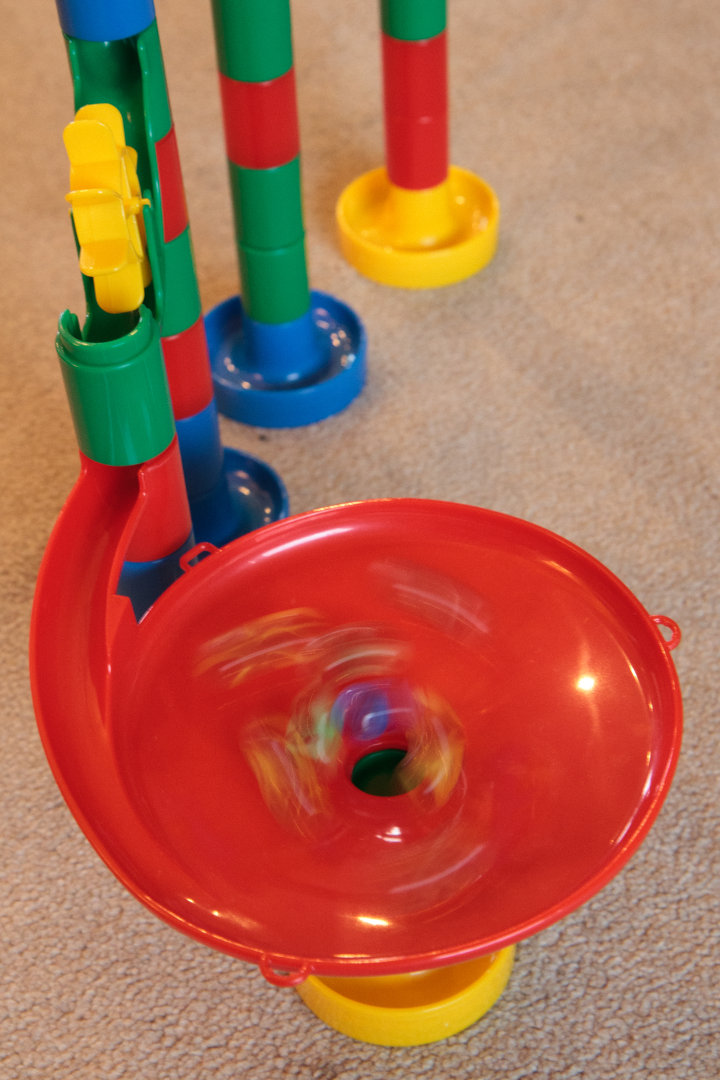
At some point I receieved a modular marble run set (similar to the one pictured here), and I got to try my hand at construction. I remember seeing how much I could get away with the limited parts count, bridging parts over gaps without supports and incorporating precarious drops.
It's strange, isn't it? We treat most tasks as a race to the finish line, meant to be completed as efficiently as possible, and yet some still find it in themselves to build monuments to the mundane.
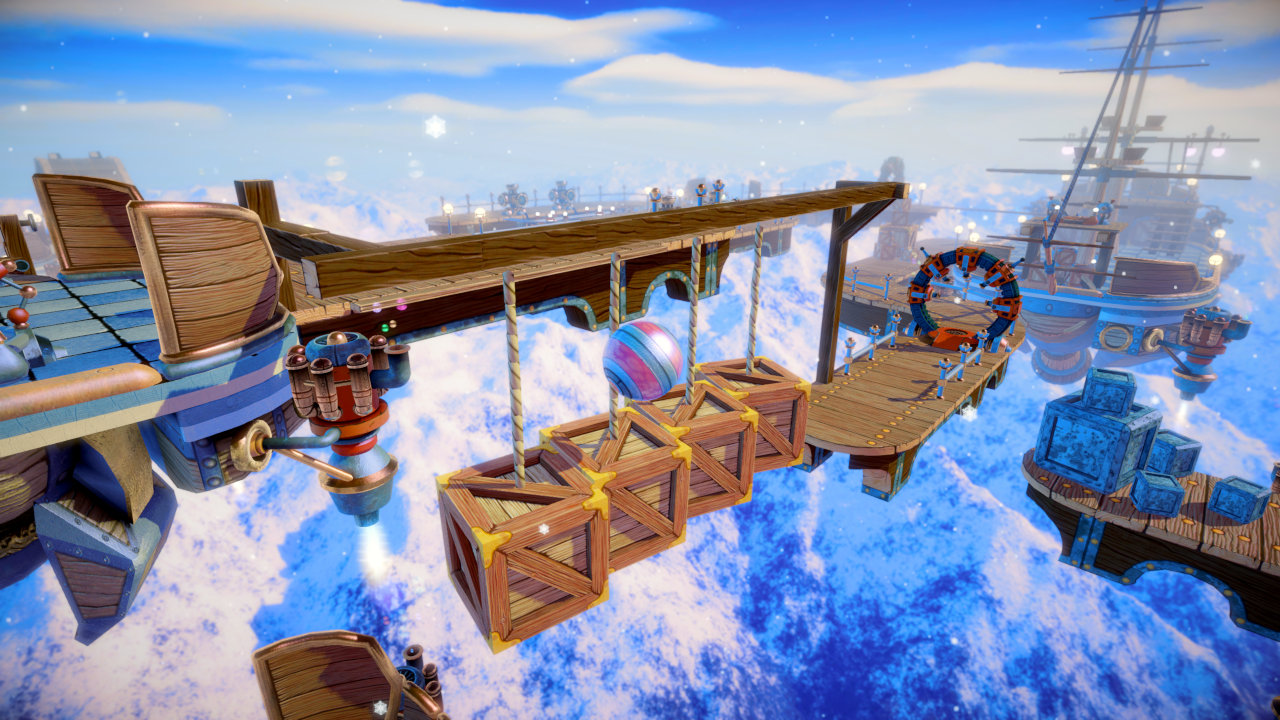
Perhaps it's no surprise, then, that video games featuring marbles have taken up so much of my thoughts. My parents certainly would have called computer games the ultimate monument to the mundane.
Most marble games put the player in direct control of the marble itself. Just like real-world marble runs, these games emphasize momentum and flow; the levels are relatively compact to encourage repeat attempts at faster times. The parts are constructed out of materials like metal, ice, and wood so their physics properties are immediately understandable.
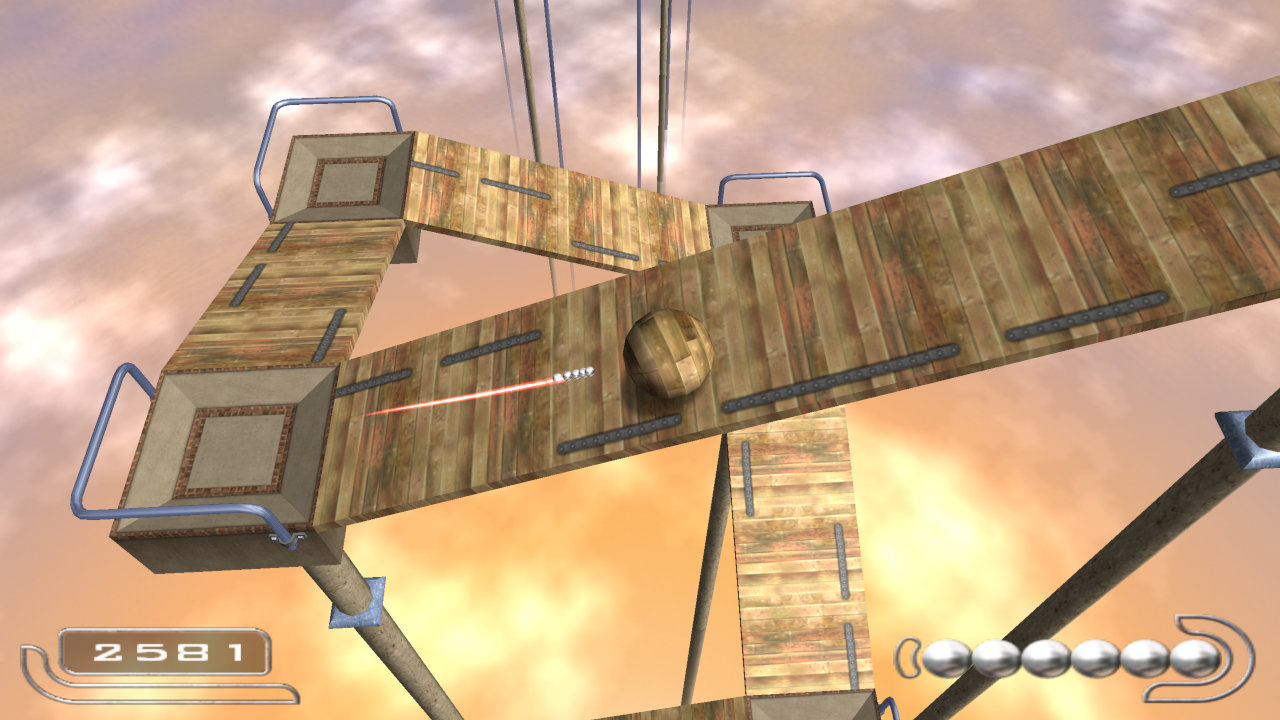
The simplicity lends itself to a surreal visual style I very much enjoy—the playable spaces are small, but the grounded physical materials and endless skies above and below suggest entire worlds are out there. I've had dreams about the endlessly tall pillars in Ballance.
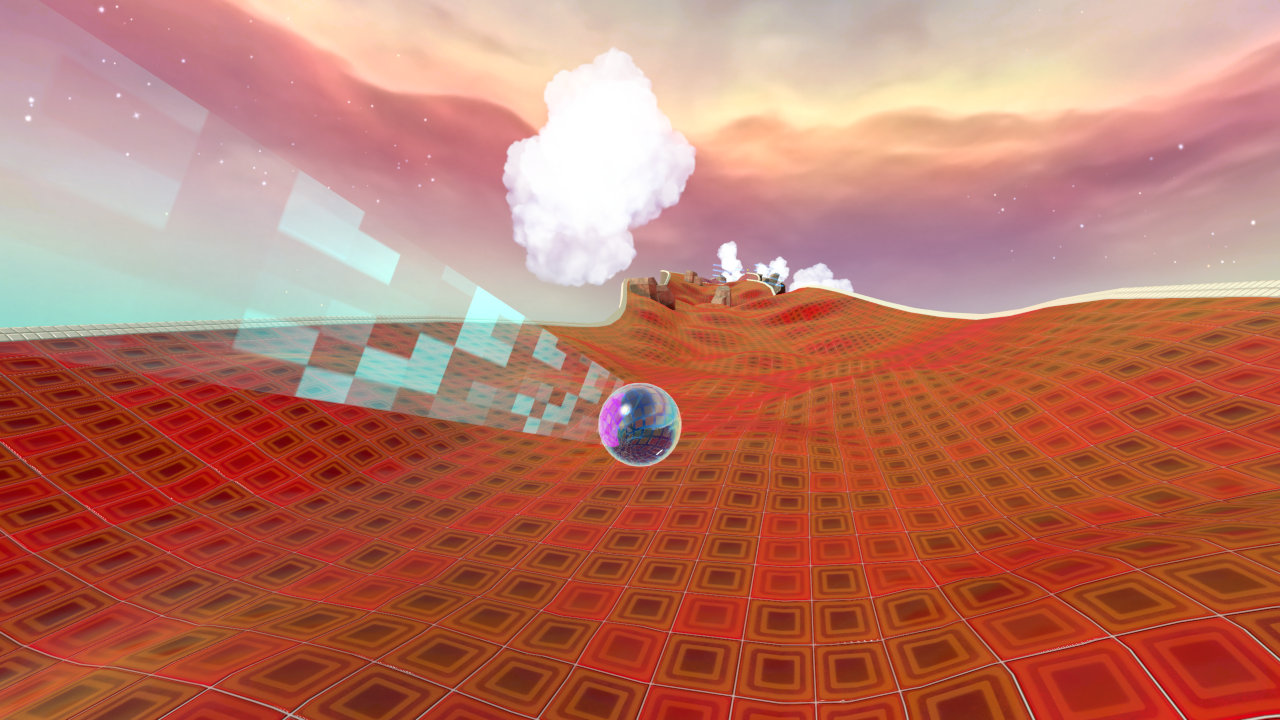
I love the wonderful mix of precision platforming and predictable physics these games have. The rush I get from keeping the momentum in Marble It Up! must be a small taste of what it's like to be a speedrunner.
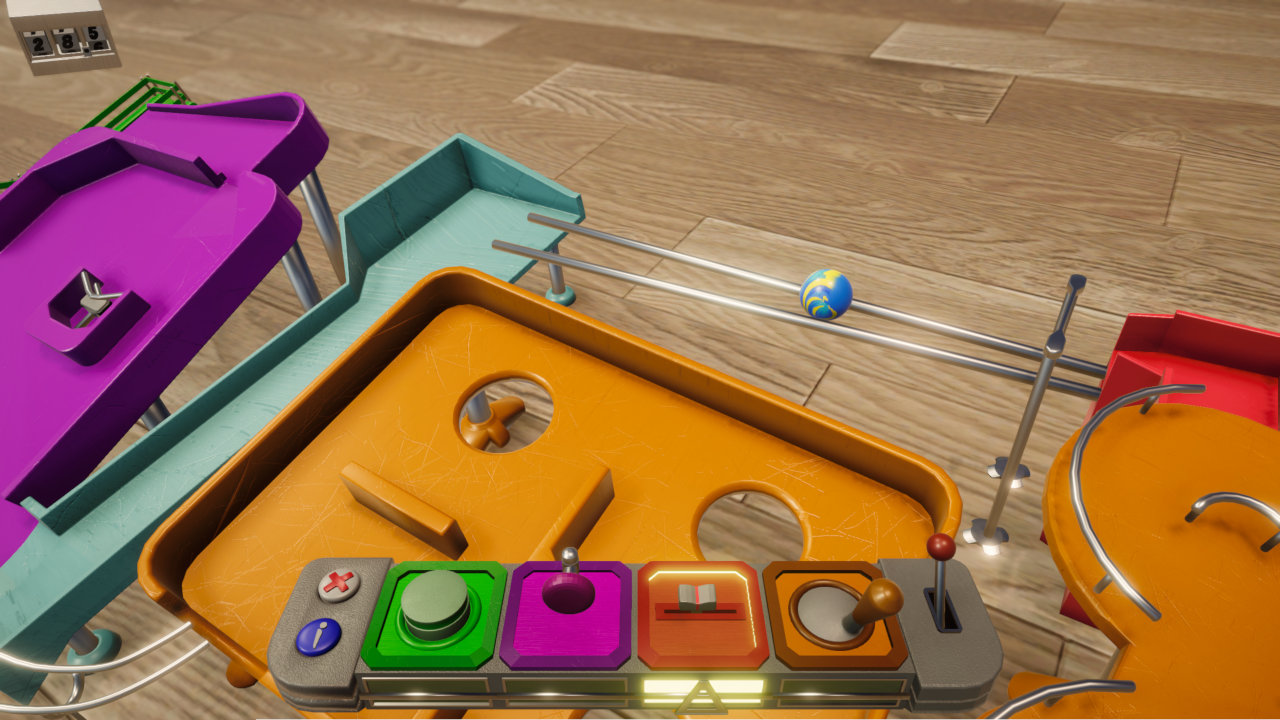
Mighty Marbles is one of the more unique marble games I've played. Instead of directly controlling the marble, the player operates different gizmos on a game board to get the marble to the goal. It makes the most of its status as a video game too, with moving elements you would never see in a Screwball Scramble clone (at least not without some motors!).